Legged robots are no longer science projects — they are tools with a price tag and a payback period.
The Unitree G1 specification sheet is dense with numbers. Here are the ones that actually change your buying decision, explained in plain terms.
At a glance
| Specification | Unitree G1 |
|---|---|
| Weight | 35 kg |
| Top speed | 2 m/s |
| Payload | 3 kg |
| Battery life | 2 h |
| Height / size | 1.27 m |
| Ingress protection | indoor / light outdoor |
| Degrees of freedom | 23–43 |
| Price from | $16,000 |
Weight and size
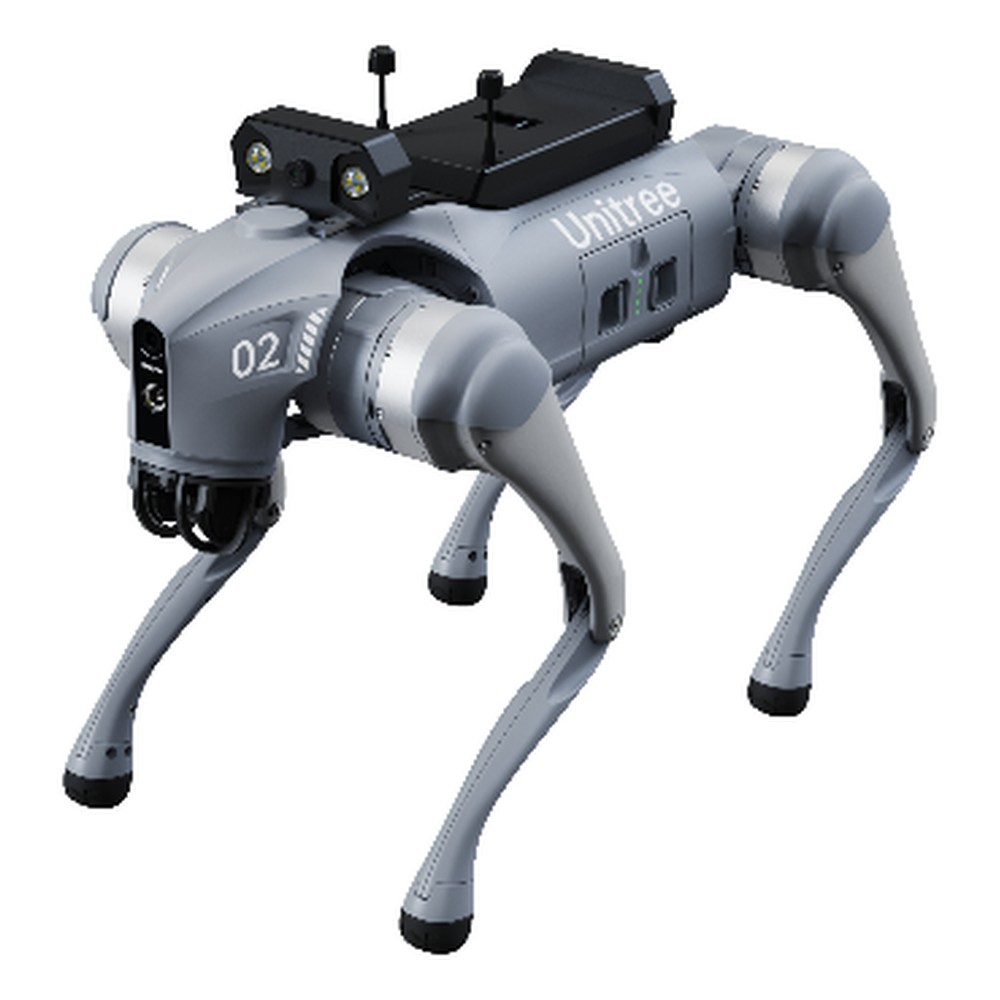
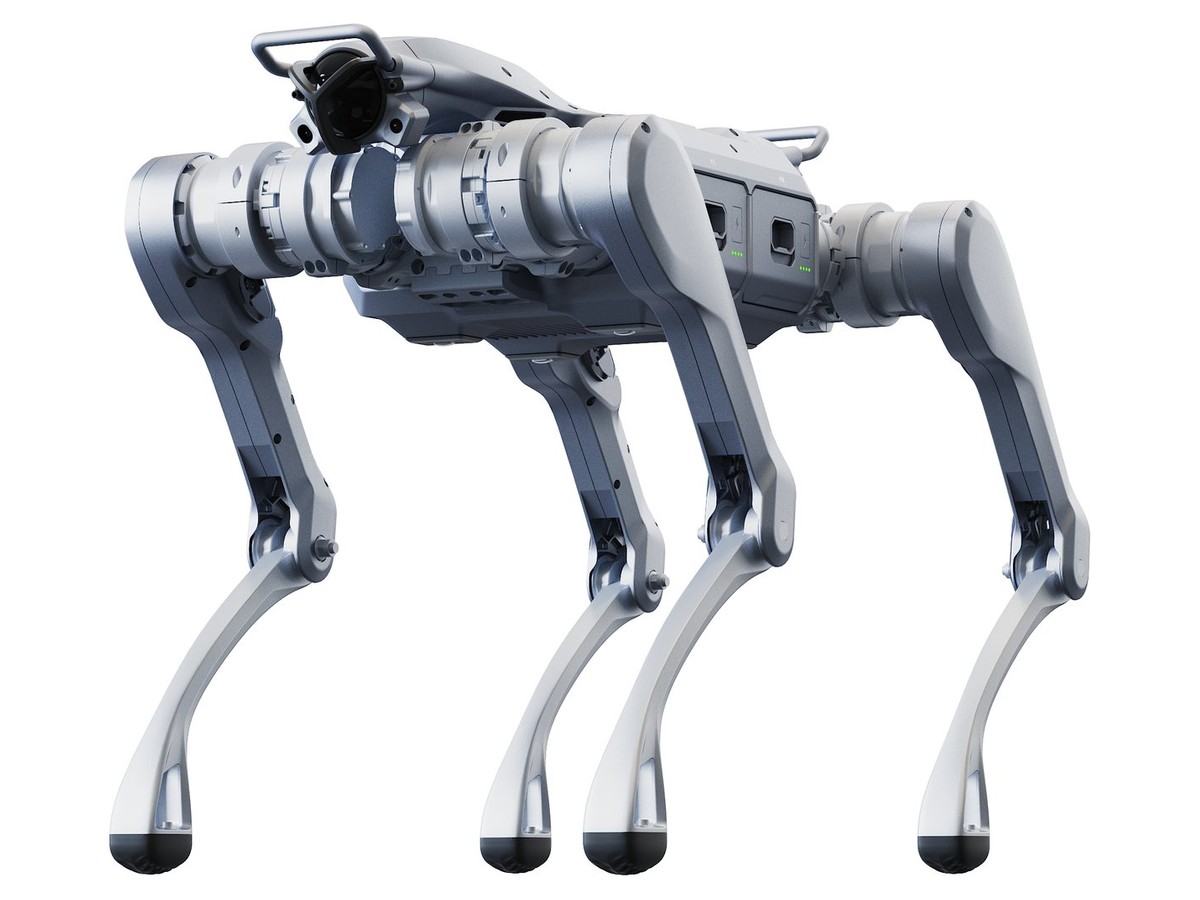
At 35 kg and 1.27 m tall, the Unitree G1 is portable enough to lift into a vehicle yet stable under load. Size drives where it fits: doorways, lifts and confined spaces.
Speed and agility
A top speed of 2 m/s covers ground between checkpoints quickly, while reinforcement-learning gaits keep it upright on stairs, rubble and slopes.
Payload
3 kg of payload is the budget for your sensors, a small arm or a delivery box. Plan the mount and the weight before you buy the accessories.
Battery and runtime
2 h of runtime is realistic for mixed work; keep a spare pack for continuous coverage. Runtime drops with speed and payload, so test against your real route.
Ingress protection
Rated indoor / light outdoor, the Unitree G1 handles the working environment accordingly. Match this to where you will actually run it.
Frequently asked questions
Do the numbers include payload?
No. Payload, speed and runtime interact; the sheet lists them separately and real life is the combination.
Are specs identical worldwide?
Small batch and regional variations happen; confirm the current sheet with your supplier before purchase.
Need help picking the right variant for your environment? Unitree G1 Get the current spec sheet Unitree Go2 Max battery and runtime explained Unitree G1 specifications explained Unitree R1 specifications explained.
Specifications are publicly reported and approximate; exact figures depend on configuration, region and production batch. Confirm the current sheet with your supplier before purchase.