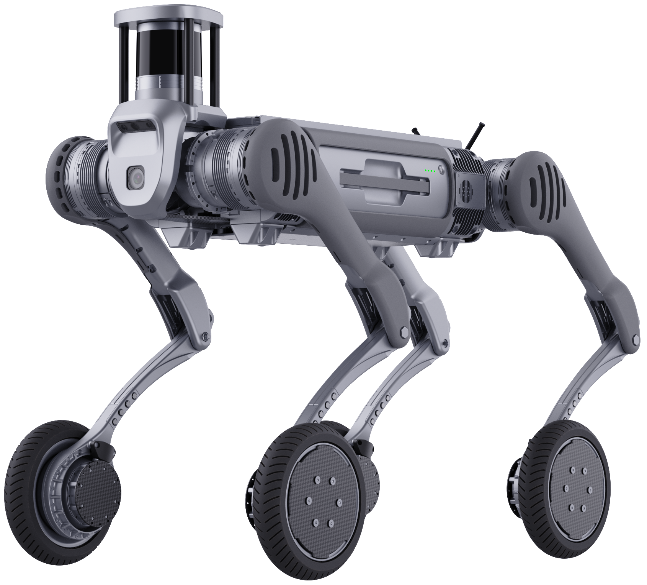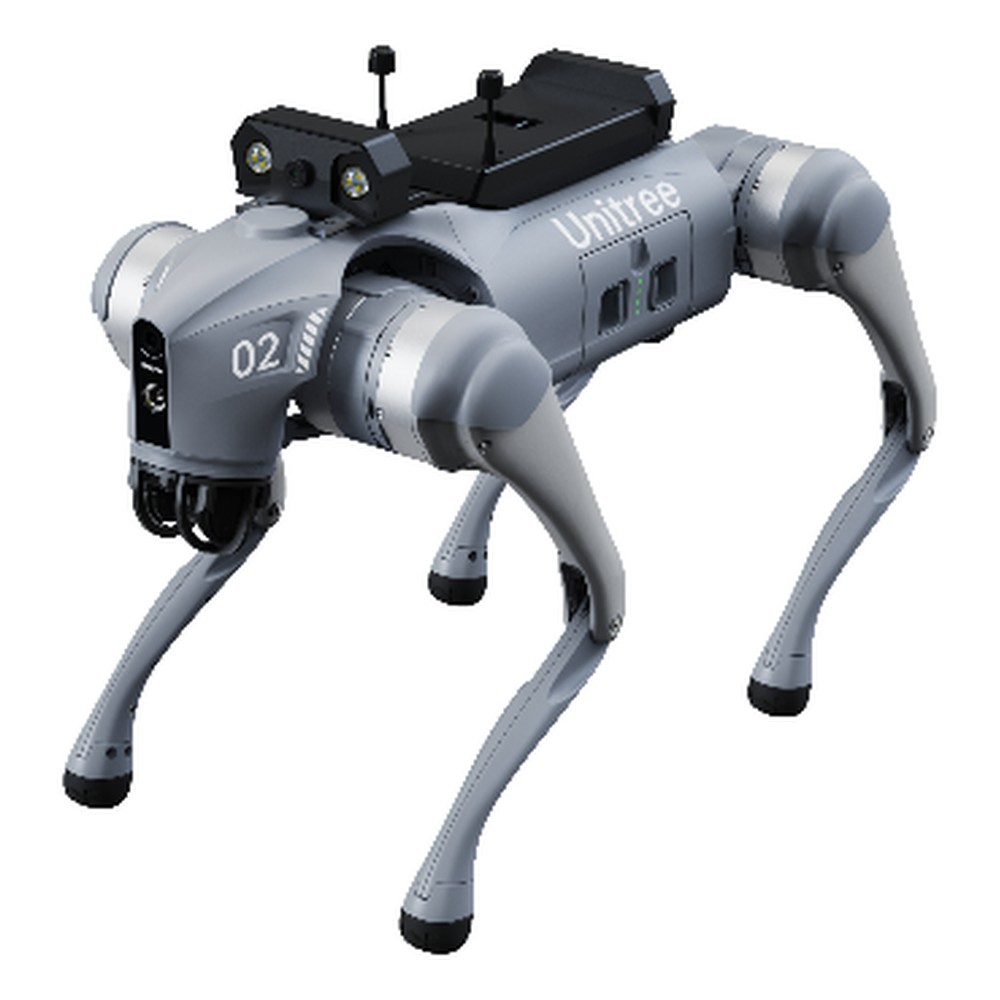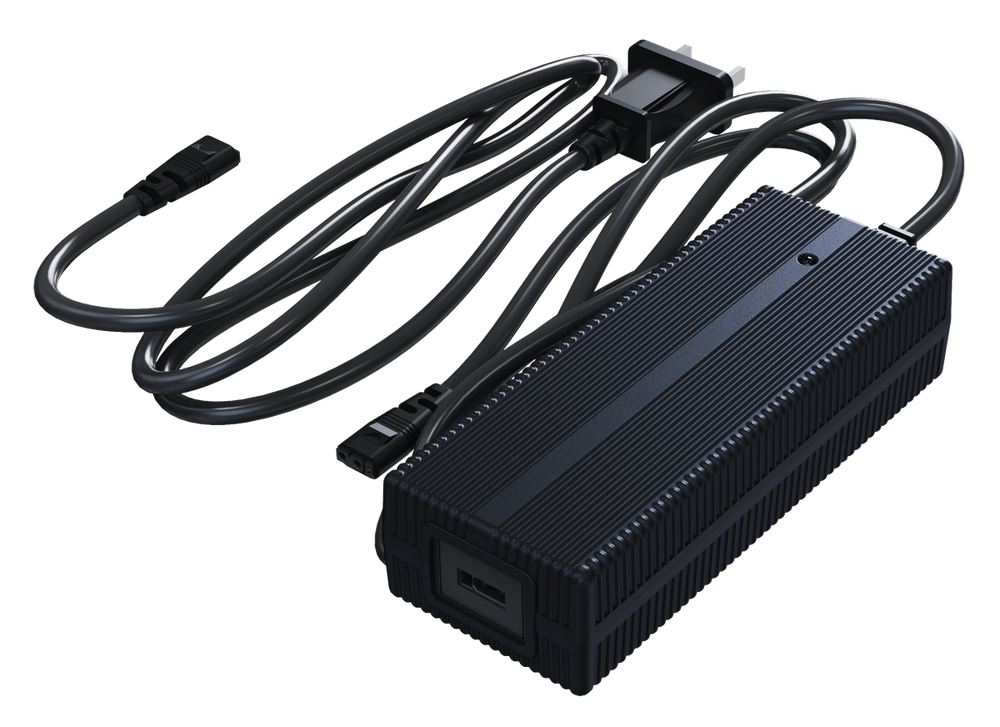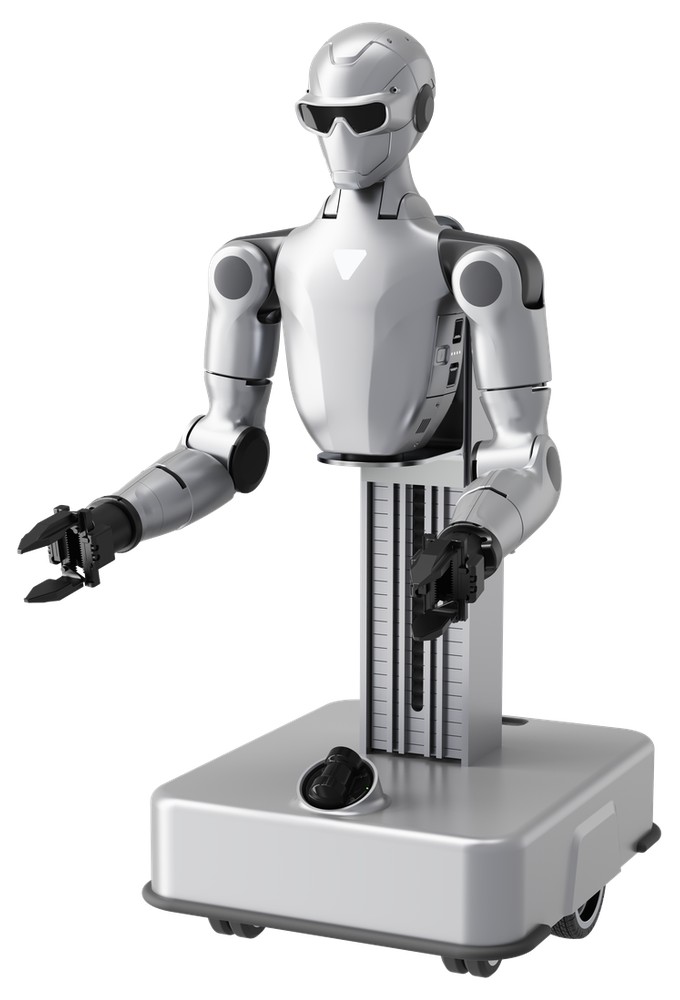
Unitree has pushed robot dogs from five-figure novelties into practical, deployable hardware.
Unitree G1 vs Unitree R1 is a question buyers ask when the two look similar on paper but solve different problems. Here is the honest comparison for two humanoids compared.
Quick comparison
| Specification | Unitree G1 | Unitree R1 |
|---|---|---|
| Weight | 35 kg | 30 kg |
| Top speed | 2 m/s | 2 m/s |
| Payload | 3 kg | 3 kg |
| Battery life | 2 h | 2 h |
| Ingress protection | indoor / light outdoor | indoor / light outdoor |
| Price from | $16,000 | $12,000 |
Unitree G1 strengths
The G1 is Unitree’s affordable humanoid, a 1.27 m robot aimed at research, education and nimble manipulation demos.
Unitree R1 strengths
The R1 is Unitree’s newest compact humanoid, designed for affordable whole-body research and classroom use.
Which to choose
Pick on the environment, not the headline number. Need Unitree G1 and a tight budget? The lighter unit wins. Need Unitree R1, all-weather ruggedness and heavy payload? Move up the line. Most buyers regret going too small more often than too big.
Frequently asked questions
Can I switch later?
Yes. Unitree’s SDK and ROS 2 support are consistent across the lineup, so code and workflows move up the range as needs grow.
Is the cheaper one “enough”?
Often yes for trials and light indoor work; rarely for industrial or all-weather duty where ruggedness is the point.
Looking for a verified supplier and a documented import plan? Unitree G1 Unitree R1 Compare configured quotes Unitree A2 vs Unitree Go2 Edu: research quadruped versus prosumer Unitree Go2 Air vs Unitree Go2 Pro vs Unitree Go2 Max: which Go2 to buy Unitree G1 vs Tesla Optimus: affordable versus flagship humanoid.
Specifications are publicly reported and approximate; exact figures depend on configuration, region and production batch. Confirm the current sheet with your supplier before purchase.