The gap between a demo video and a deployed robot is where most buying mistakes happen.
Unitree vs Boston Dynamics Spot is a question buyers ask when the two look similar on paper but solve different problems. Here is the honest comparison for value versus premium benchmark.
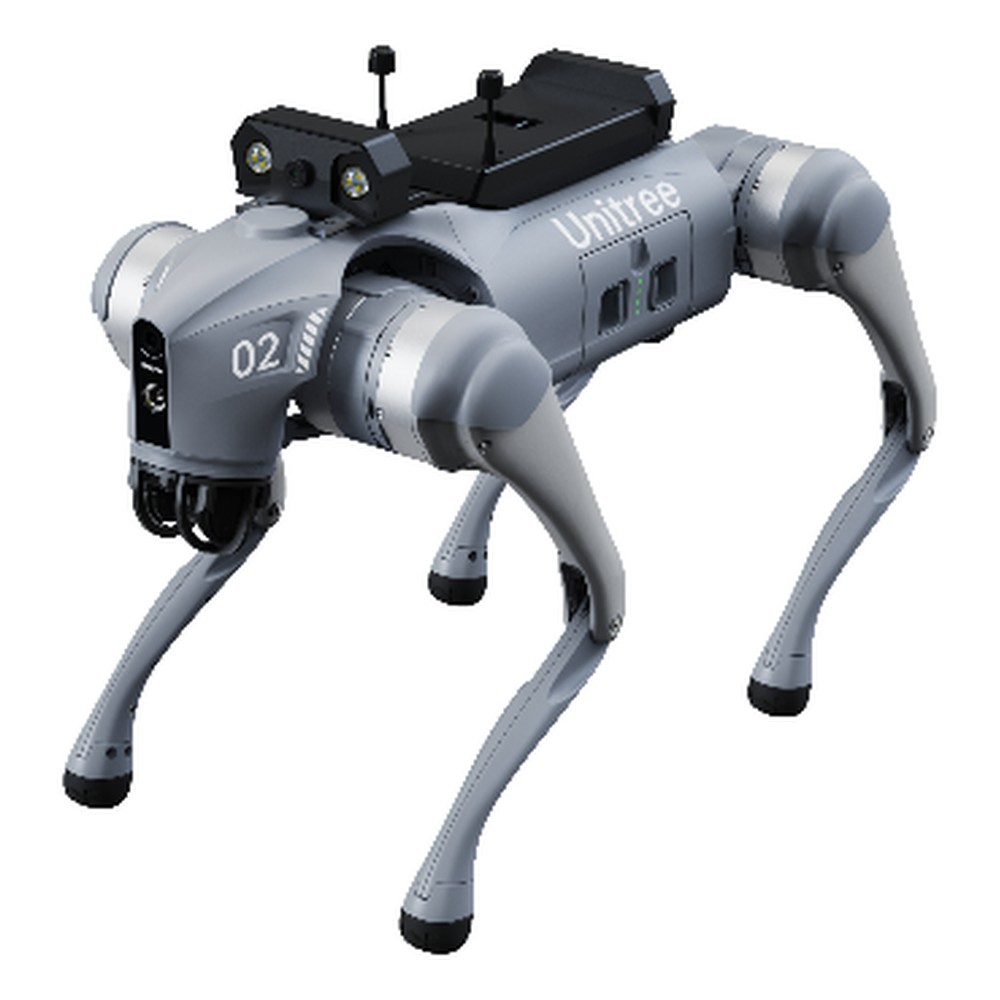
Unitree
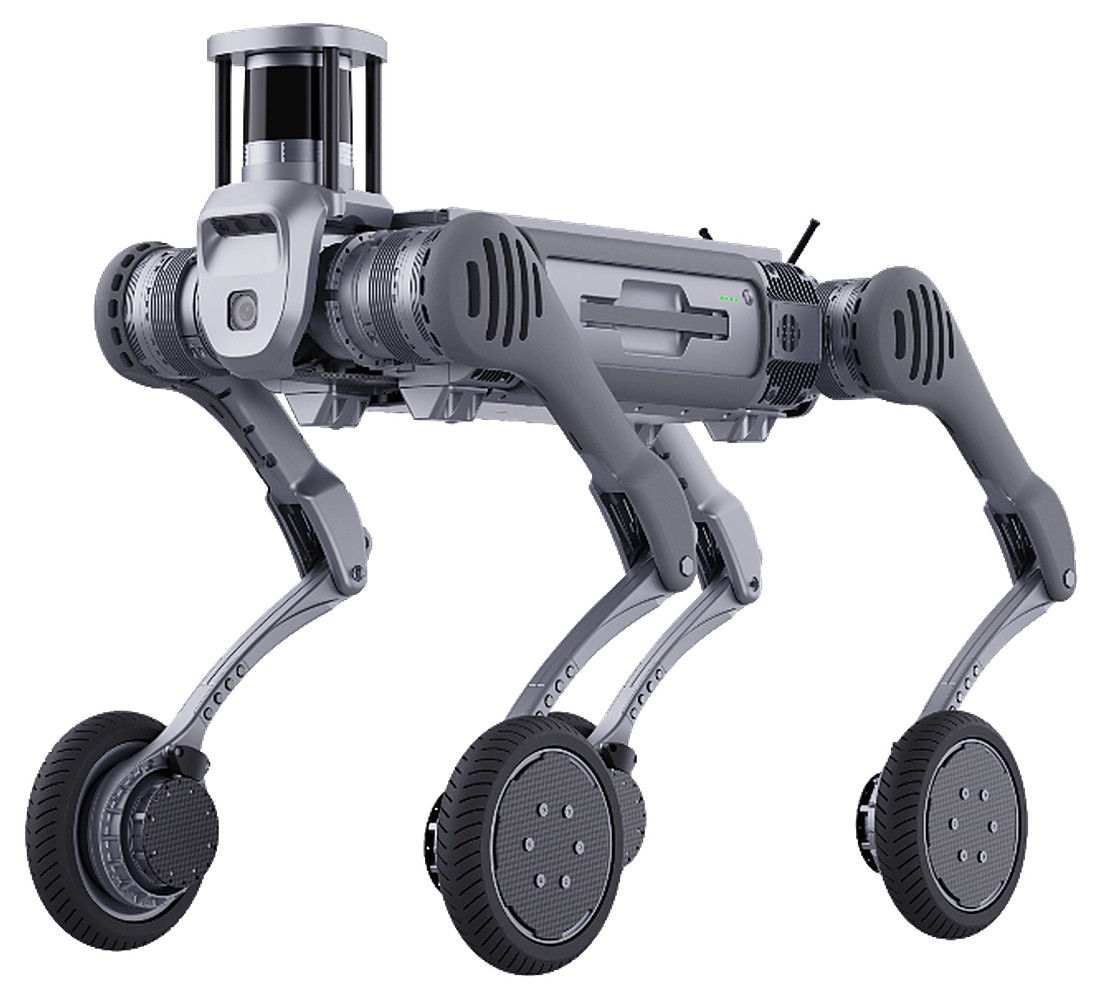
Unitree’s range covers this need with several platforms; the trade-off is usually payload, ruggedness and price.
Boston Dynamics Spot
The alternative brings different economics — often higher price or lower autonomy — which matters once you price a full deployment.
Which to choose
Pick on the environment, not the headline number. Need low cost and a tight budget? The lighter unit wins. Need heavy duty, all-weather ruggedness and heavy payload? Move up the line. Most buyers regret going too small more often than too big.
Frequently asked questions
Can I switch later?
Yes. Unitree’s SDK and ROS 2 support are consistent across the lineup, so code and workflows move up the range as needs grow.
Is the cheaper one “enough”?
Often yes for trials and light indoor work; rarely for industrial or all-weather duty where ruggedness is the point.
Want a configured quote with freight and duties included? Compare configured quotes Unitree Go2 Air vs Xiaomi CyberDog: two consumer robot dogs head to head Unitree B2 vs Unitree H1: quadruped versus humanoid for industry Unitree B2 vs Boston Dynamics Spot: industrial value versus the benchmark.
Specifications are publicly reported and approximate; exact figures depend on configuration, region and production batch. Confirm the current sheet with your supplier before purchase.