Legged robots are no longer science projects — they are tools with a price tag and a payback period.
Battery life is one of the terms buyers meet early when evaluating Unitree robots. Here is the plain-English version.
The short answer
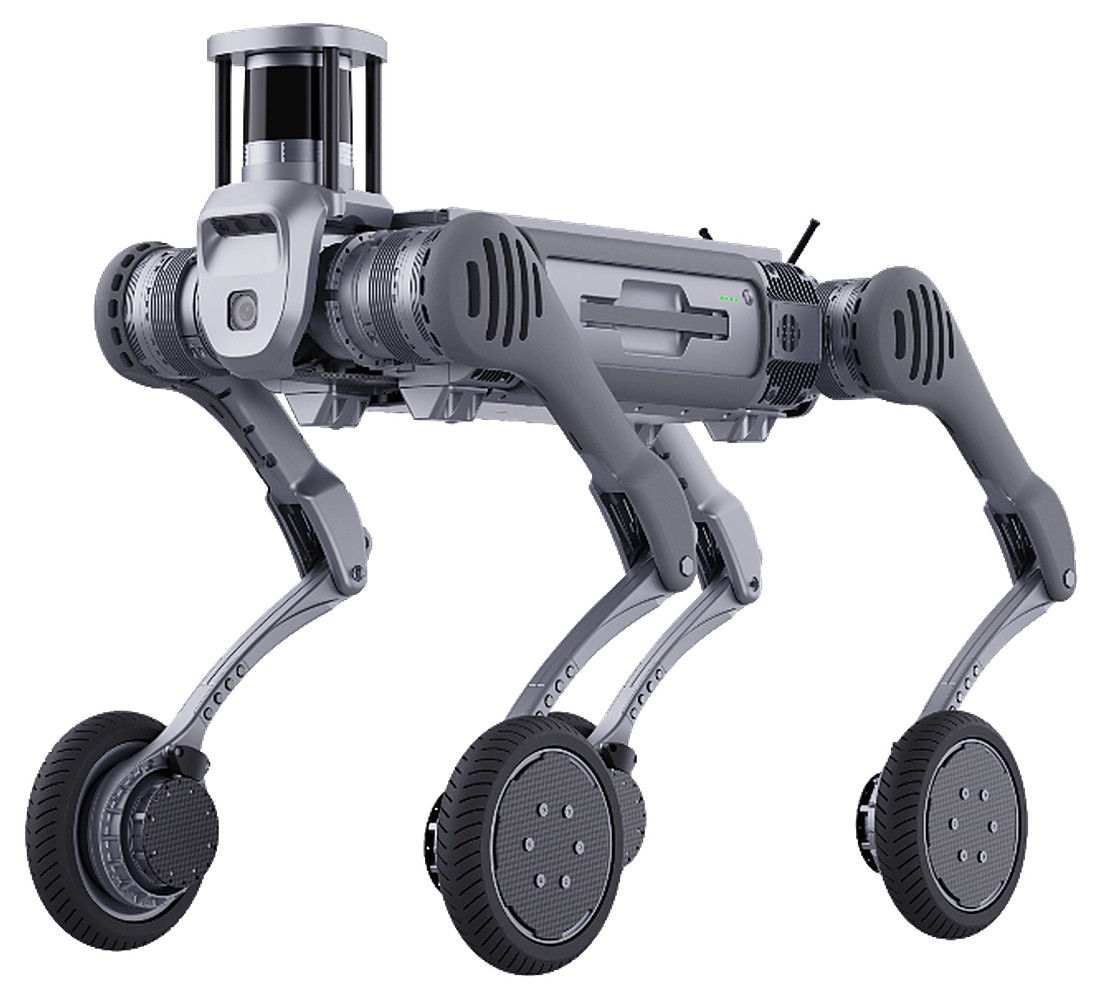
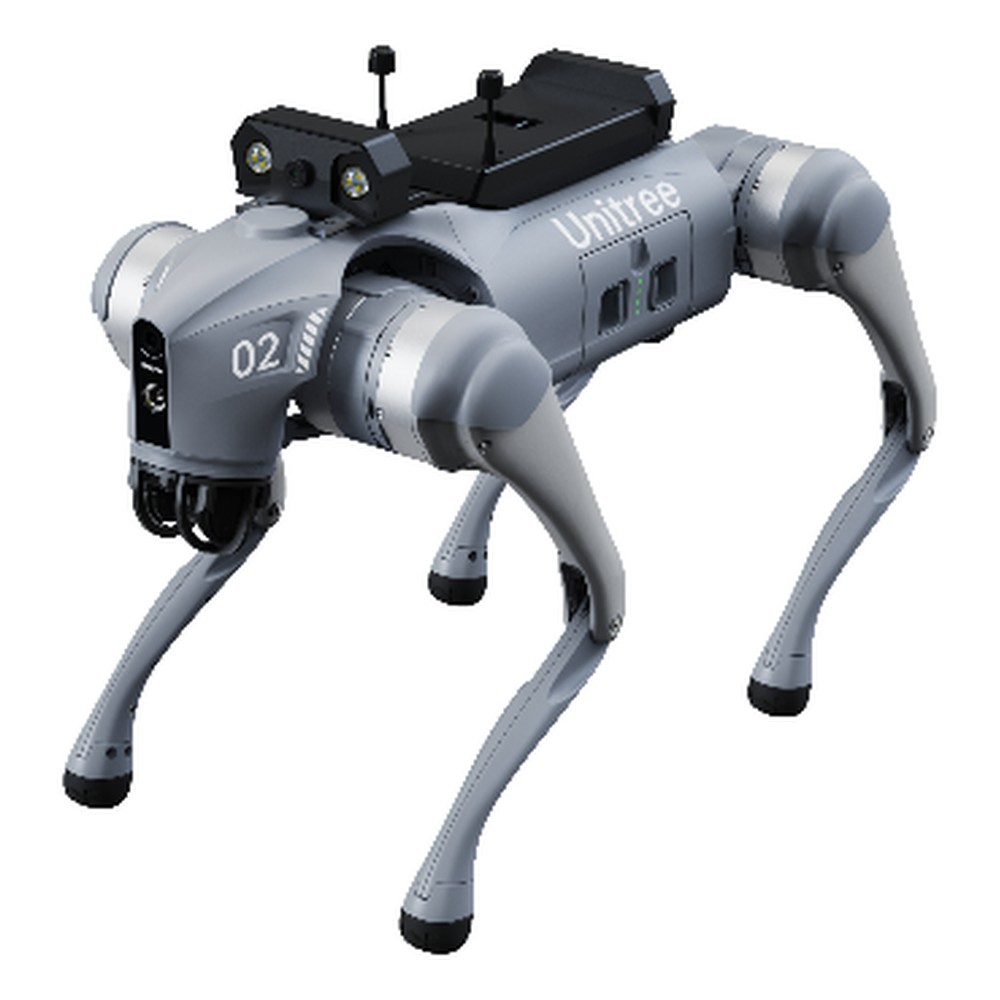
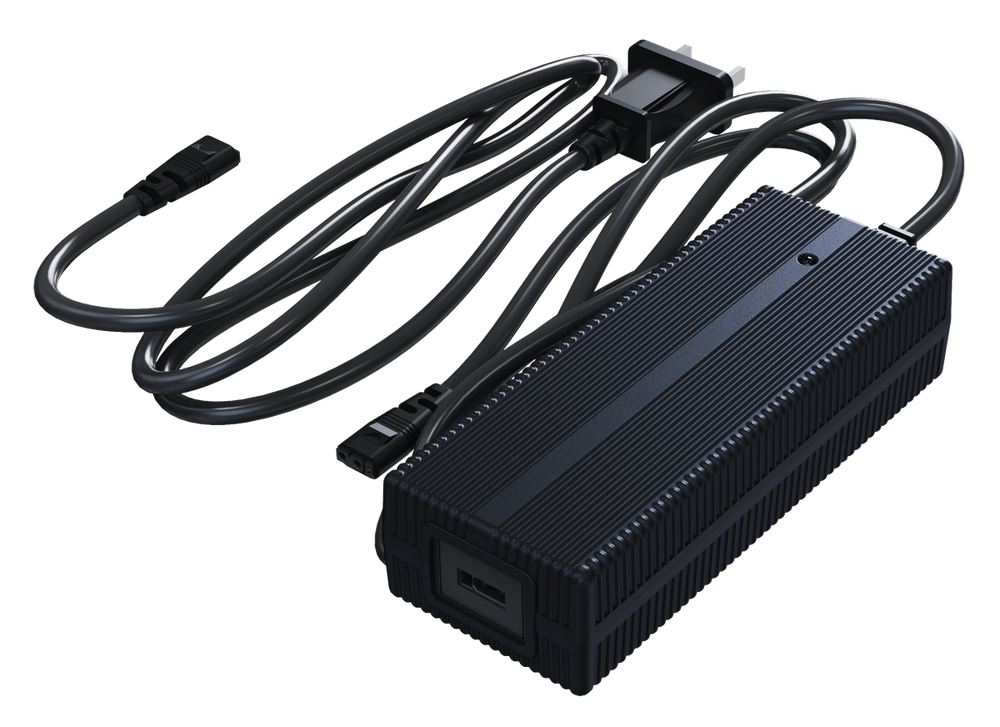
Battery life depends on speed, payload and terrain. A Go2 runs roughly 2–4 hours; the B2 runs 4–5 hours. Swappable packs keep robots working through long shifts.
How it works
In practice it is less magic and more good engineering: sensors build a live map, onboard compute turns that into safe moves, and the whole loop runs many times a second. The result is a robot that copes with the messy real world instead of a lab.
Why it matters for buyers
Understanding battery life helps you judge whether a given model fits your site. It also tells you which options — compute, sensors, ingress protection — are worth paying for.
Frequently asked questions
Is battery life the same across the lineup?
The principle is, but the hardware differs: a Go2 has less compute and protection than a B2, so capability scales with the model.
Where can I see it in action?
Most Unitree product pages show the behaviour; the SDK samples let you reproduce it on your own unit.
Looking for a verified supplier and a documented import plan? Ask a supplier Unitree Go2 Air Unitree robot dog cost: what buyers should know robot dog cost: frequently asked questions robot dog for inspection: frequently asked questions.
Specifications are publicly reported and approximate; exact figures depend on configuration, region and production batch. Confirm the current sheet with your supplier before purchase.