Robot dogs have moved from research labs to real job sites faster than most buyers expected.
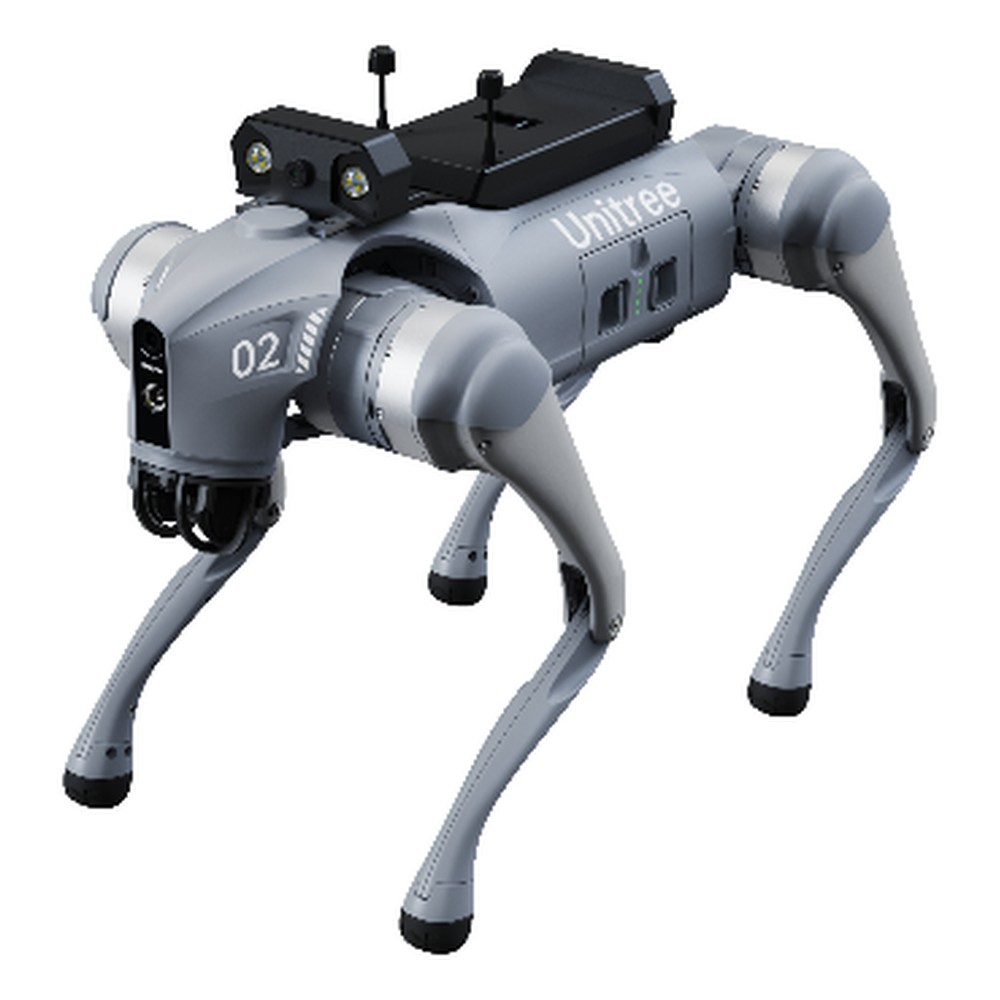
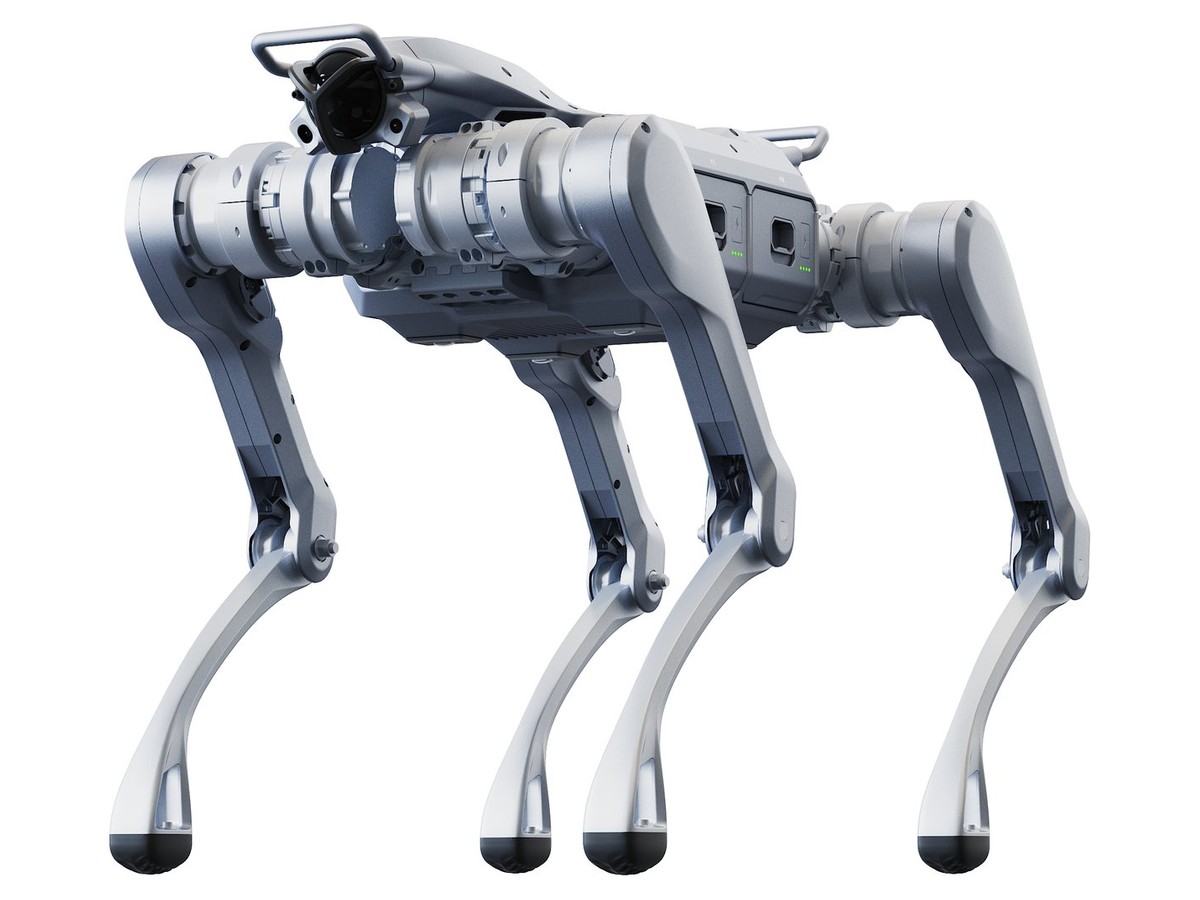
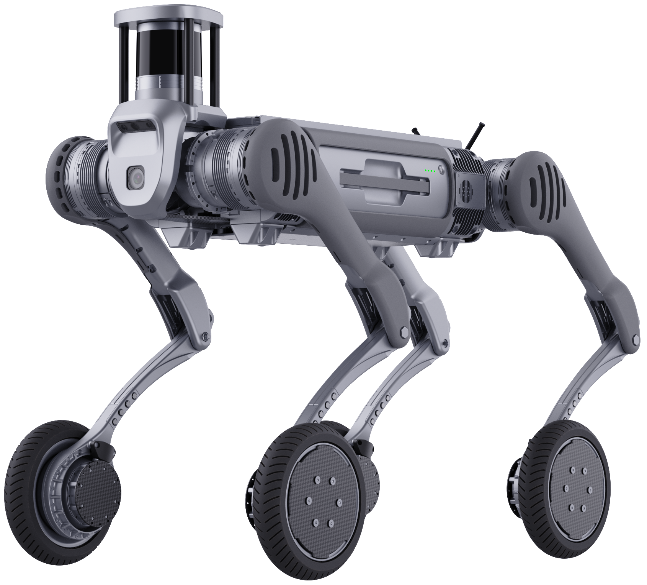
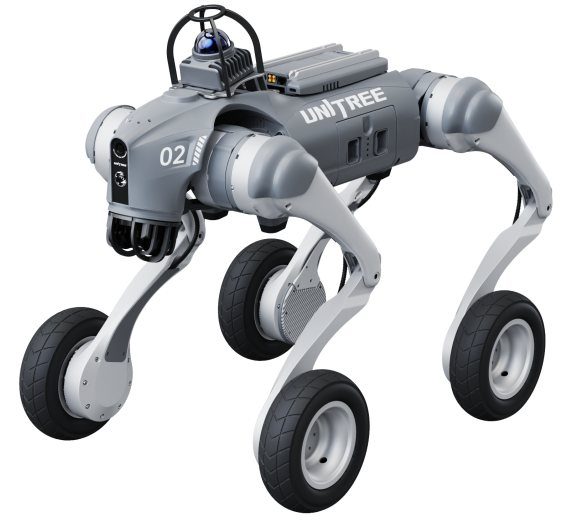
Unitree Go2-W vs Unitree Go2 Air is a question buyers ask when the two look similar on paper but solve different problems. Here is the honest comparison for wheels versus feet.
Quick comparison
| Specification | Unitree Go2-W | Unitree Go2 Air |
|---|---|---|
| Weight | 15 kg | 15 kg |
| Top speed | 6 m/s | 3.7 m/s |
| Payload | 8 kg | 8 kg |
| Battery life | 2–4 h | 2–4 h |
| Ingress protection | indoor / light outdoor | indoor / light outdoor |
| Price from | $3,000 | $1,600 |
Unitree Go2-W strengths
The Go2-W swaps feet for wheels, trading rough-terrain climbing for much higher speed on smooth ground.
Unitree Go2 Air strengths
The entry-level Go2 quadruped, built for developers, educators and prosumers who want a capable robot dog at the lowest price.
Which to choose
Pick on the environment, not the headline number. Need Unitree Go2-W and a tight budget? The lighter unit wins. Need Unitree Go2 Air, all-weather ruggedness and heavy payload? Move up the line. Most buyers regret going too small more often than too big.
Frequently asked questions
Can I switch later?
Yes. Unitree’s SDK and ROS 2 support are consistent across the lineup, so code and workflows move up the range as needs grow.
Is the cheaper one “enough”?
Often yes for trials and light indoor work; rarely for industrial or all-weather duty where ruggedness is the point.
Need help picking the right variant for your environment? Unitree Go2-W Unitree Go2 Air Compare configured quotes Unitree G1 vs Tesla Optimus: affordable versus flagship humanoid Unitree Go2 Air vs Xiaomi CyberDog: two consumer robot dogs head to head Unitree B2 vs Unitree H1: quadruped versus humanoid for industry.
Specifications are publicly reported and approximate; exact figures depend on configuration, region and production batch. Confirm the current sheet with your supplier before purchase.