Legged robots are no longer science projects — they are tools with a price tag and a payback period.
The Unitree A2 is one of the most practical platforms for perimeter security in greenhouses and vertical farms. It carries sensors where people should not go, keeps working through long shifts, and logs everything for later review. Below is the realistic picture for teams working in greenhouses and vertical farms.
Why a robot dog fits greenhouses and vertical farms
Greenhouses and vertical farms are dull, dirty or dangerous to inspect by hand. Stairs, confined spaces, live equipment and weather all slow people down and raise risk. A legged robot walks those paths autonomously and returns with a consistent record every time.
- Repeatable routes mean defects are caught on the same schedule, not when someone remembers.
- Live video and telemetry reach the control room without a person on site.
- The A2 keeps working in heat, cold and confined air where people need breaks.
- Data is timestamped and geo-tagged, which simplifies compliance and audits.
What the Unitree A2 brings to perimeter security
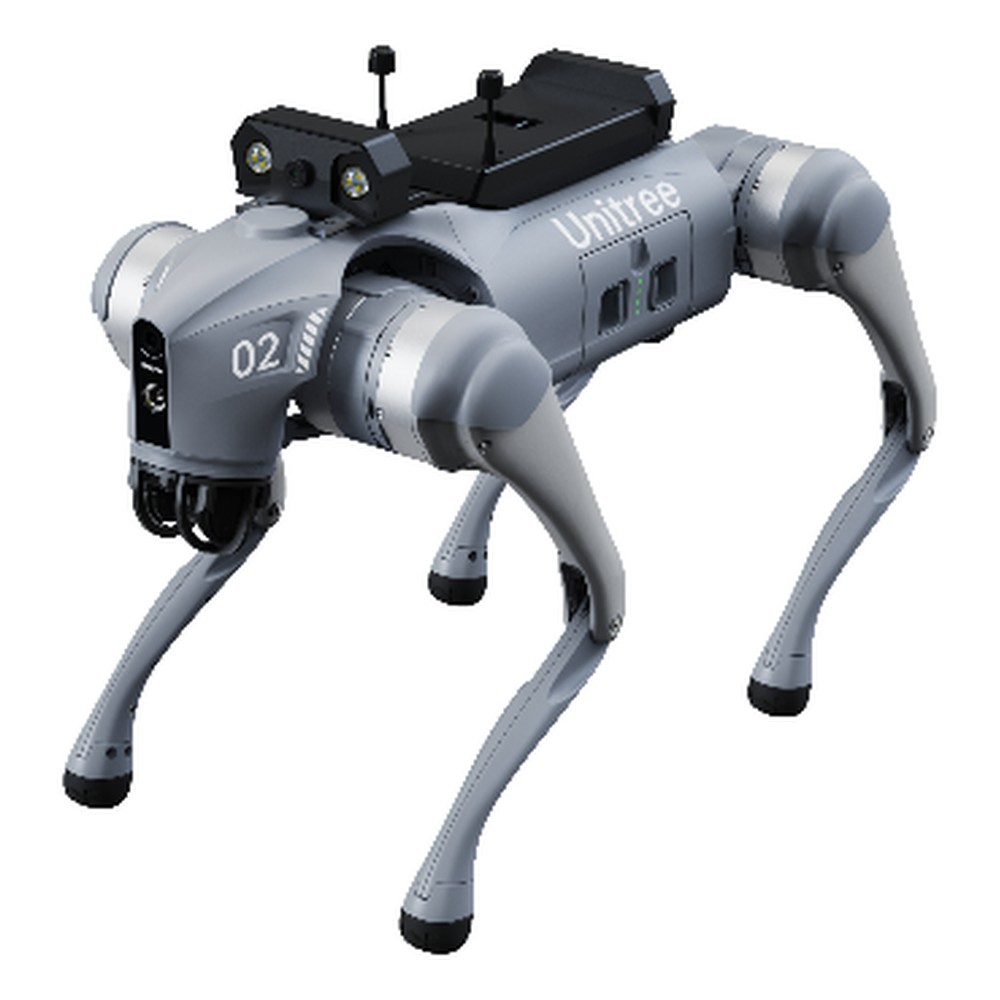
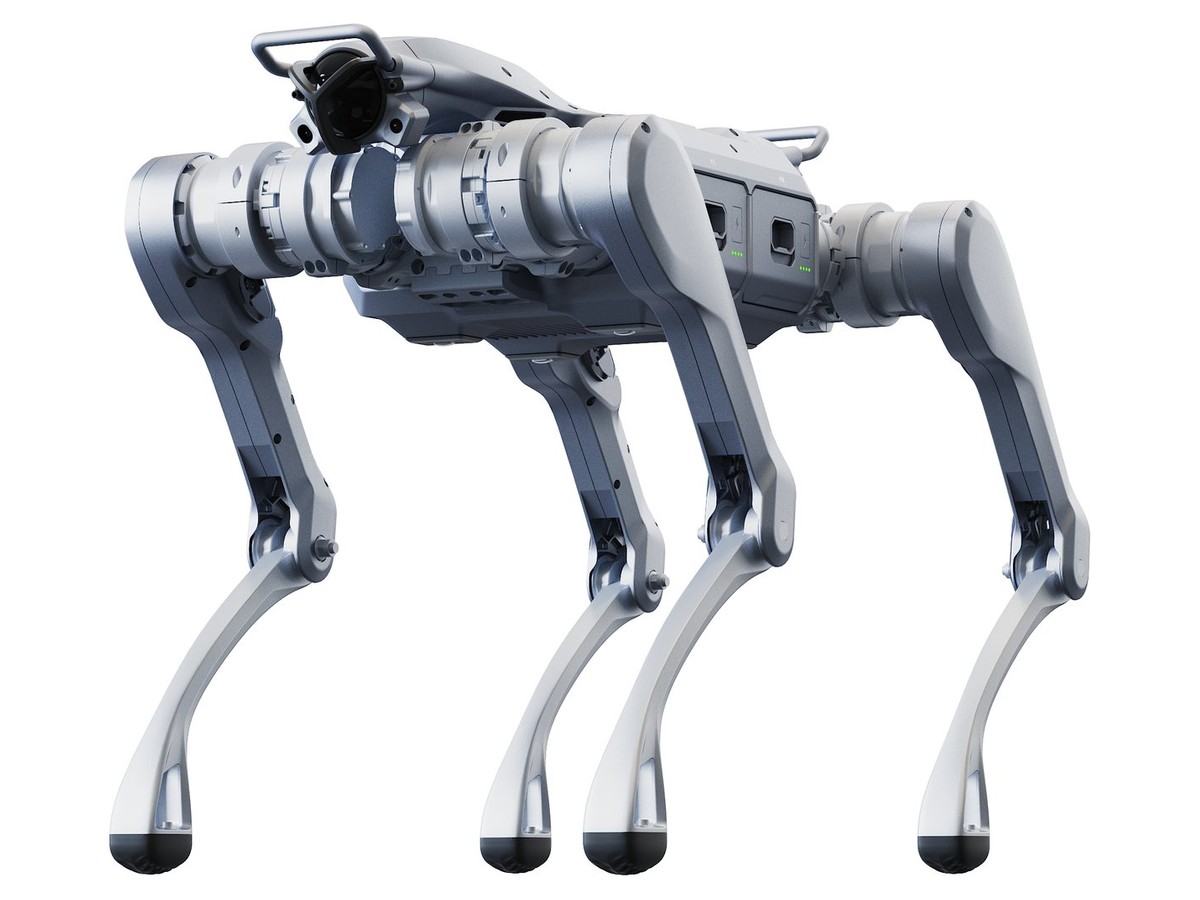
Here is how that plays out in practice. The A2 is a research-grade quadruped in the Aliengo class, built for universities that need a robust RL and locomotion platform.
- Roughly 2–3 h of runtime per charge, enough for a full shift with a spare pack.
- Up to 3 m/s top speed for covering ground quickly between checkpoints.
- 10 kg payload for cameras, thermal imagers, gas sensors or small deliveries.
- Onboard LiDAR / vision perception for obstacle avoidance and autonomous navigation.
- It is built for indoor and light-outdoor use, so plan covered or fair-weather operation and keep heavy rain off the electronics.
A typical deployment
- Survey the site and mark no-go zones with the operator app.
- Let the robot build a map with SLAM on its first walk.
- Save a patrol or inspection route and schedule it.
- Review the captured images, thermal frames and alerts after each run.
- Tune the route as the team learns what matters most.
Specs that matter here
| Specification | Unitree A2 |
|---|---|
| Weight | 22 kg |
| Top speed | 3 m/s |
| Payload | 10 kg |
| Battery life | 2–3 h |
| Height / size | 50 cm |
| Ingress protection | indoor / light outdoor |
| Degrees of freedom | 12 |
| Price from | $20,000 |
Cost and payback
A Unitree A2 starts around $20,000 and scales with compute and payload options. For most greenhouses and vertical farms teams the payback is measured in reduced site visits, faster incident response and lower risk to staff rather than headcount replacement.
Frequently asked questions
Is the Unitree A2 safe around people?
Yes for supervised use. It detects obstacles and stops or routes around them; sites still keep a trained operator in the loop for the first runs.
Do I need a specialist to run it?
Not for routine patrols. Mapping and route setup take an afternoon; daily operation is app-driven. Specialists are only needed for custom code.
Ready to spec a Unitree robot for your site? Talk to a verified Unitree supplier Unitree Unitree B2 for warehouses and fulfilment centres intrusion detection container ports routine inspection with the Unitree B2-W: a practical look oil and gas refineries remote visual inspection with the Unitree Aliengo (A2 edu): a practical look.
Specifications are publicly reported and approximate; exact figures depend on configuration, region and production batch. Confirm the current sheet with your supplier before purchase.